New Delhi: Makar Sankranti, one of the most important Hindu festivals marking the Sun’s transit into the zodiac sign Capricorn (Makar), will be celebrated across the country on Wednesday, January 14, 2026. The festival signifies the arrival of the spring season, with days gradually becoming longer and nights shorter, symbolising positivity, prosperity, and new beginnings.
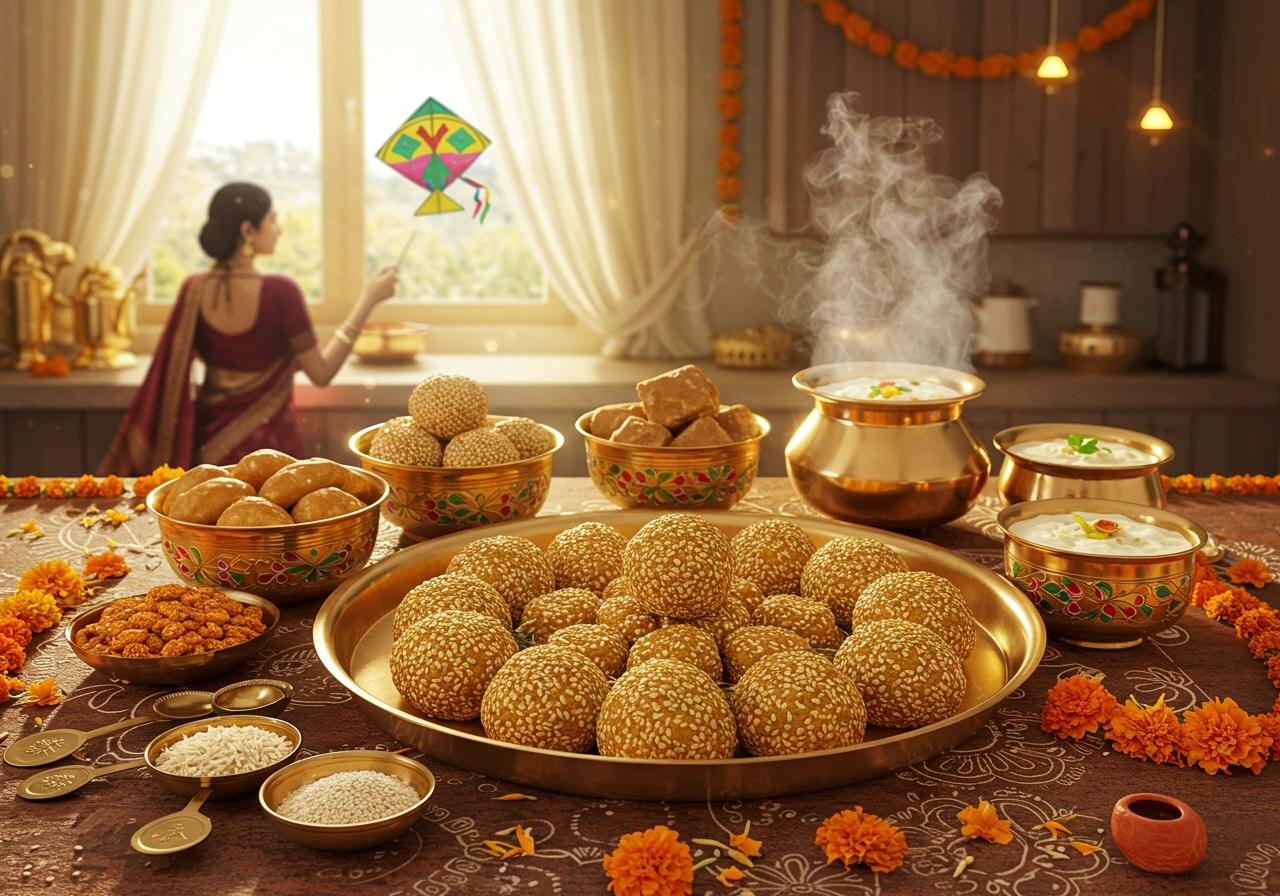
In North India, Makar Sankranti is popularly known as the Khichdi Parv, while it is celebrated as Lohri in Punjab and Jammu & Kashmir, and as Pongal in Tamil Nadu. On this day, traditional dishes such as khichdi, curd with flattened rice (dahi-chooda), til (sesame seeds), and jaggery are consumed as part of age-old customs.
Makar Sankranti 2026: Date and Punya Kaal
According to Hindu Panchang, the Sun will enter the Capricorn sign on January 14, 2026, at 3:13 PM.
-
Punya Kaal: 3:13 PM to 5:45 PM
-
Mahapunya Kaal: 3:13 PM to 4:58 PM
These periods are considered highly auspicious for bathing, charity, worship, and religious rituals.

Auspicious Name, Colour and Vehicle
This year, Makar Sankranti is named Mandakini. The auspicious colour for the festival is yellow, symbolising knowledge, prosperity, and positivity. The prescribed vehicle (Vahan) is Vyaghra (tiger), while the sub-vehicle (Upvahan) is Ashwa (horse).
Why Makar Sankranti Is Celebrated
Makar Sankranti marks the end of Khar Maas and the beginning of auspicious activities. From this day onward, the Sun begins its northward journey (Uttarayan), making it one of the most sacred transitions in Hindu astrology. Charity and holy bathing hold special significance, with donations of sesame seeds, jaggery, khichdi, clothes, and blankets believed to bring immense spiritual merit.
Mythological Significance
According to ancient legends, Lord Vishnu defeated the demons on this day and buried their heads under the Mandara Mountain, establishing the triumph of good over evil. Bathing in sacred rivers such as the Ganga, especially at pilgrimage centres like Prayagraj, Kashi, and other holy sites, is considered highly auspicious on Makar Sankranti.
Makar Sankranti continues to be a festival that blends spiritual beliefs, seasonal change, and cultural unity, celebrated with devotion and joy across India.